Soundproofing
A quieter room starts with understanding the noise.
Explore how interior window systems work, what affects the result, and how we configure a solution around your space.
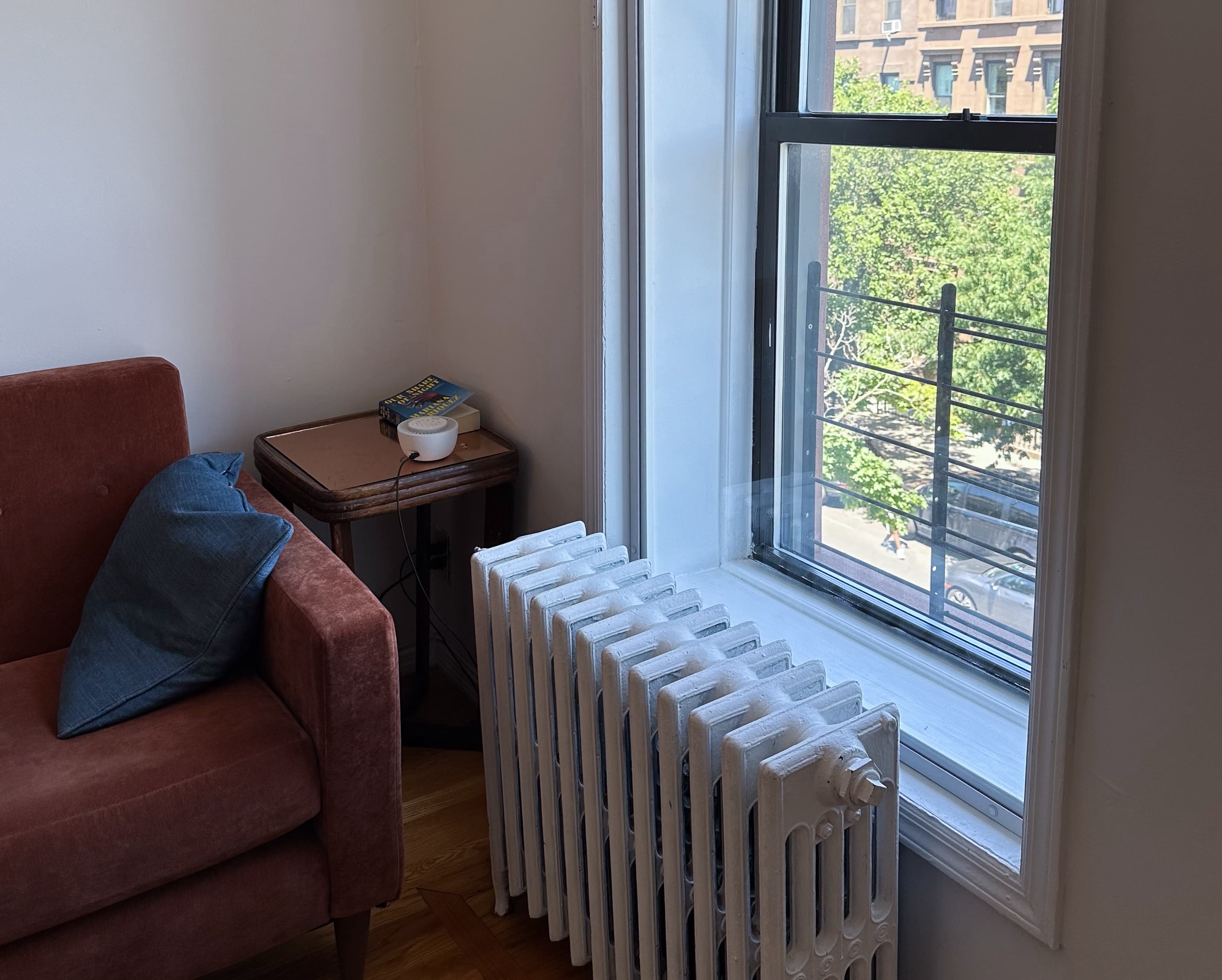
How window soundproofing works
An interior panel adds another layer inside your existing window. The panel, the air space between layers, and the seal around the opening work together to reduce sound entering the room.
Set realistic performance expectations
Results depend on the full opening and the type of sound. A useful assessment considers the existing window, available space, and other paths sound can take into the room. No window system can promise to eliminate all noise.
- Airborne sound through the window and vibration through the building are different problems.
- Remaining sound may enter through walls, vents, AC openings, or untreated windows.
- A demonstration illustrates one installation; it is not a guaranteed result for every room.
What affects soundproofing performance?
We consider these factors together. Selecting a mounting style alone does not determine acoustic performance.
- Air gap: the distance between the existing window and the interior panel influences the system’s behavior.
- Panel thickness: thickness and material affect performance, weight, and handling.
- Airtight seal: gaps around the perimeter can undermine a window treatment.
- Existing window condition: loose components, damaged seals, and surrounding openings matter.
- Noise frequency: low rumble, voices, and sharp transient sounds present different challenges.
Soundproofing configurations
Magnetic panels, compression inserts, split panels, and custom mounting details may all have a role. We recommend the combination based on your windows, noise exposure, access needs, aesthetics, and budget.
- Removable panels for access to the existing window.
- Divided or modular layouts for larger openings and practical handling.
- Mounting or frame details that account for available air space.
- Assessment of AC or PTAC conditions when those openings also admit noise.
What are you hearing?
Different sounds call for different considerations. Start with the noise that matters most to you.
Traffic & Sirens
Plan for changing street noise, horns, and emergency vehicles.
ExploreTrains
Consider airborne train noise and building vibration separately.
ExploreConstruction
Understand the limits of treating a window near a changing noise source.
ExploreVoices / Street Noise
Explore configurations for conversation and activity outside your window.
ExploreMechanical / HVAC Noise
Assess fans, rooftop equipment, and AC-related sound paths.
ExploreSee it. Understand it. Plan your next step.
Before / after sound demos
Hear examples from real installations and consider the conditions behind each one.
ExploreSoundproofing FAQs
Short answers about noise reduction, air gaps, panel thickness, and expectations.
ExploreProject pricing
Understand the factors behind a custom, professionally installed system.
ExploreConfigured for your space
Start with your windows. We’ll help with the rest.
Tell us about your goals, window access, aesthetics, and budget. We’ll recommend a configuration for your project.