Insulation
More comfortable rooms. Your existing windows.
Explore draft reduction, thermal comfort, and interior window systems configured around the character and daily use of your home.
How interior window insulation works
A custom interior panel adds a glazing layer and an air space inside the original window. Combined with a fitted perimeter seal, the system can address drafts and improve comfort without replacing the existing window.
Draft blocking & air sealing
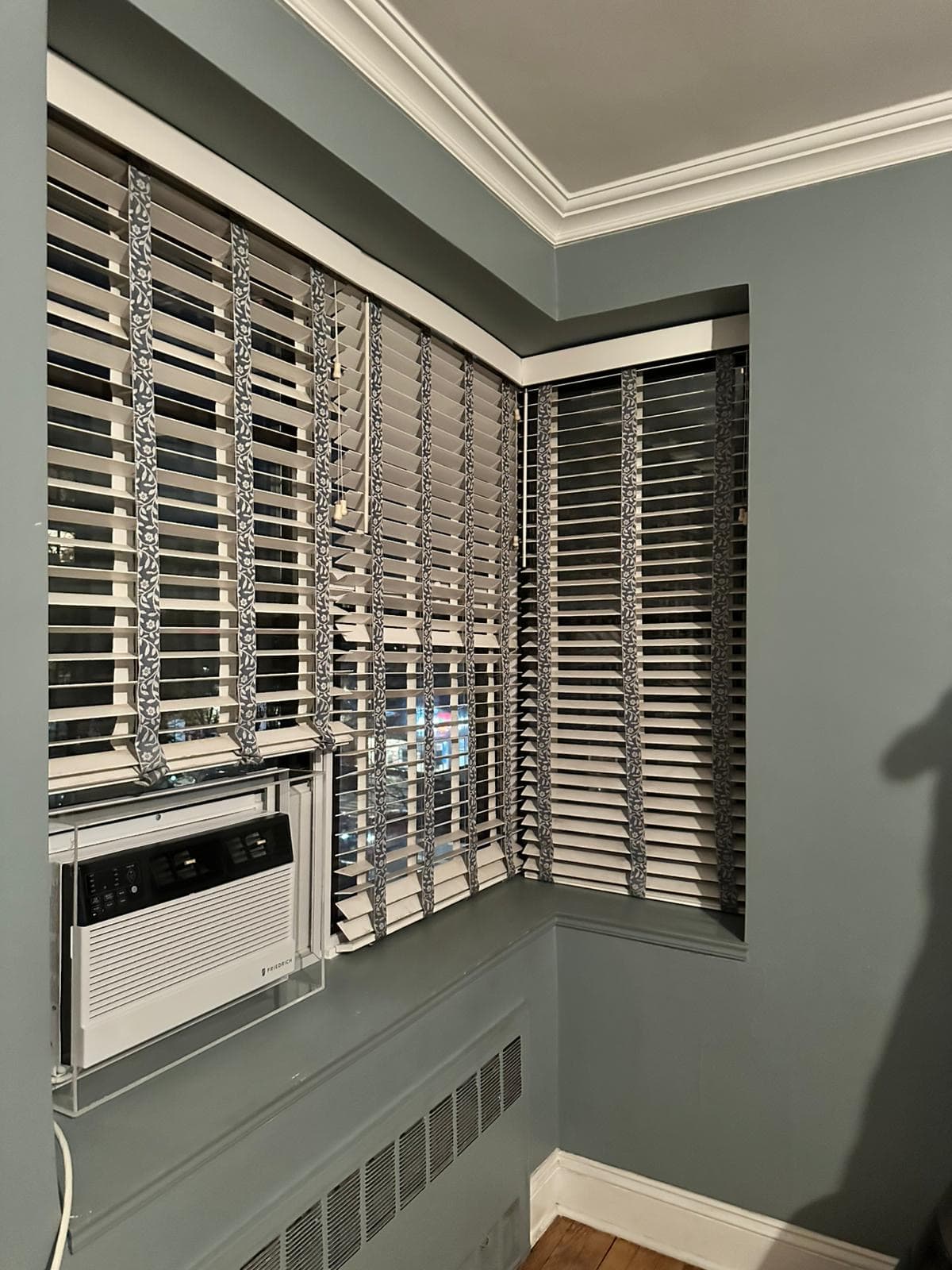
A draft is moving air. The perimeter seal and the condition of the surrounding frame matter as much as the clear panel. We also look for adjacent openings, including window AC and PTAC areas.
Thermal performance & comfort
Reducing drafts and adding a layer can make a window area more comfortable. The outcome depends on the original window, the installed configuration, the building, and heating or cooling conditions. A room-temperature change or energy-saving percentage cannot be assumed for every project.
What affects thermal performance?
The assessment looks at the complete assembly and its surroundings.
- Air leakage: gaps and seals affect unwanted air movement.
- Additional glazing layer: the panel adds another barrier between the room and the original window.
- Air gap: the spacing and installed details are part of the thermal configuration.
- Existing window type: single-pane, double-pane, operable, and fixed windows present different conditions.
- Other conditions: sunlight, shading, moisture, and adjacent equipment also affect comfort.
Older, single-pane & historic windows
An interior system can be considered when you want to retain the original exterior windows and trim. Existing windows should still be assessed for condition, water entry, and repair needs; an insert does not repair damaged exterior windows.
Comfort in winter and summer
Draft control and the added interior layer can help with year-round comfort. Summer overheating can also involve direct sunlight and shading; insulation, solar control, and UV protection are related but distinct considerations.
Insulation configurations
Both magnetic and compression systems may be suitable. We consider seal continuity, existing trim, panel size, removability, and daily window access before recommending a configuration. A project can be designed around both thermal comfort and sound reduction.
Explore your next step
Insulation photos & demos
Explore installed examples. Photographs illustrate fit and appearance, not measured thermal results.
ExploreInsulation FAQs
Answers about drafts, older windows, seasonal comfort, and secondary benefits.
ExplorePricing & process
Learn what affects cost and how a custom recommendation becomes an installed system.
ExploreConfigured for your space
Start with your windows. We’ll help with the rest.
Tell us about your goals, window access, aesthetics, and budget. We’ll recommend a configuration for your project.